Plan ahead to make 2026 silage production more resilient to drought
04 February 2026
After the difficult season for grass growth in 2025, consider what steps you can take to mitigate against another drought in 2026 causing grass silage shortages again next winter, dairy farmers are being urged. Especially with falling milk prices.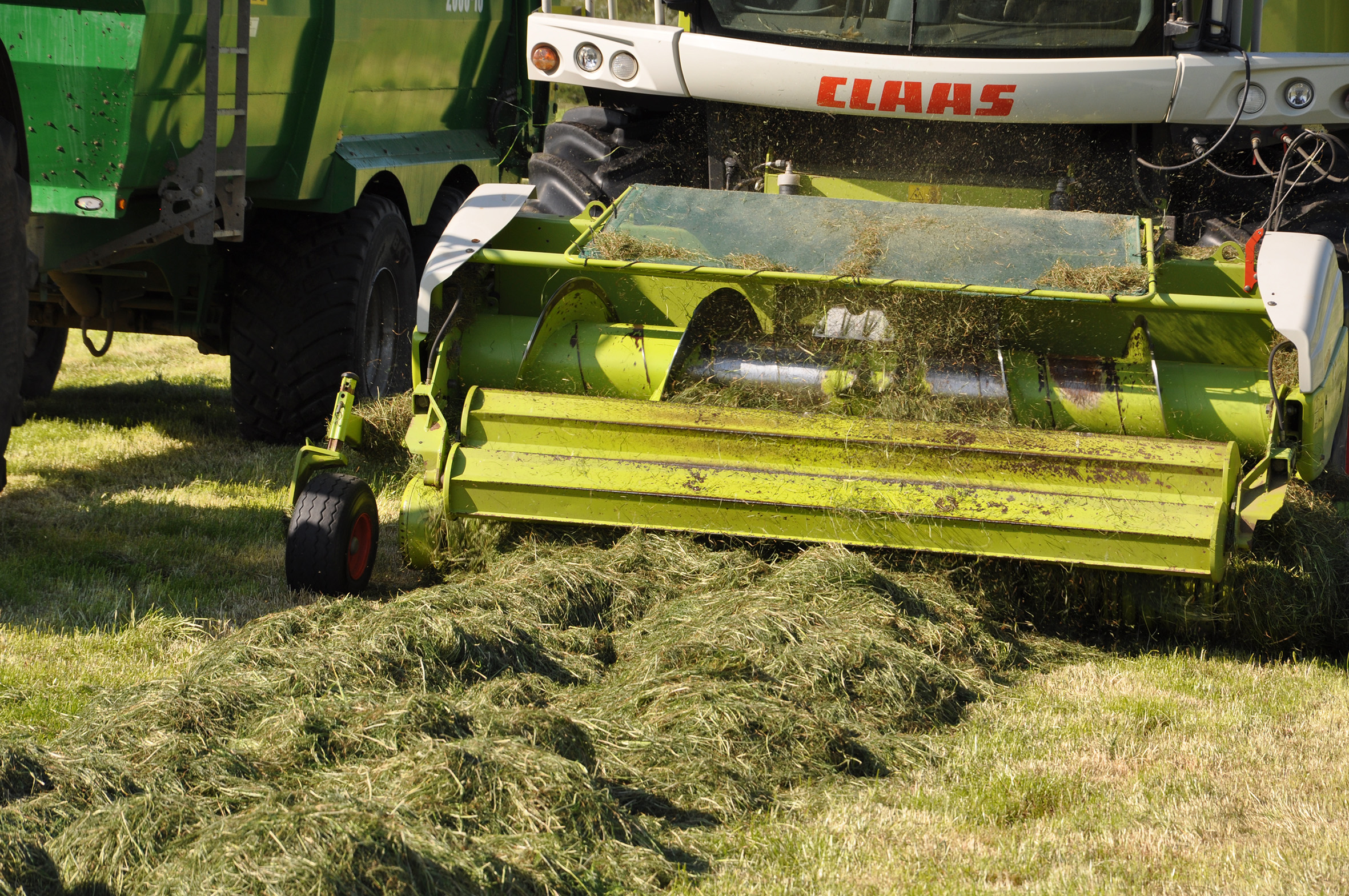
That is the message from silage expert and Volac technical business manager for Ecosyl, Ken Stroud. He says not only did the 2025 drought limit grass yields – leaving farmers in many regions facing tight silage stocks – it often also adversely affected grass quality.
“With lower milk prices increasing the importance of maximising milk produced from forage, there’s a compelling case for protecting 2026 silage production against another drought and rebuilding silage stocks,” says Mr Stroud.
As much as half of the dry matter (DM) tonnage of grass silage can be lost between mowing and feeding. Many losses are caused by unwanted microbes growing in silage. It’s not possible to eradicate all losses, but there are steps that can improve silage output and reduce them.
1. Reseeding
The starting point for good silage production is quality grass leys, says Mr Stroud, so consider reseeding tired, old swards with more productive grasses.
Alternatively, multi-species leys seemed to cope better with the dry 2025 season than grass-only leys,” he says, “possibly due to the tap roots of the herb species they contained accessing deeper soil moisture. Therefore don’t rule these out.
2. Taking an early ‘clearance cut’
Taking a March or April ‘clearance cut’ of silage fields is increasingly useful after the milder winters we get nowadays, says Mr Stroud. Not only does it remove old grass that has kept growing through winter, it also stimulates regrowth of fresh grass for a main spring cut, and farmers who did this in 2025 often achieved extra tonnage, he adds.
3. Cutting more often
Although frequent cutting of grass for silage was not feasible during the prolonged 2025 drought, if it is possible, Mr Stroud says it can raise yields. “Compared with three cuts, Volac trial work showed cutting five times yielded 0.92t/ha more DM over a season. Also, the multi-cut grass was 0.5 MJ/kgDM higher in metabolisable energy (ME) on average and almost 3% higher in crude protein.”
4. Using best practice mowing and wilting
Although mowing grass close to the ground is tempting if wanting extra tonnage, Mr Stroud says the sward base typically contains higher levels of undesirable bacteria that can compromise the fermentation and cause losses in the clamp.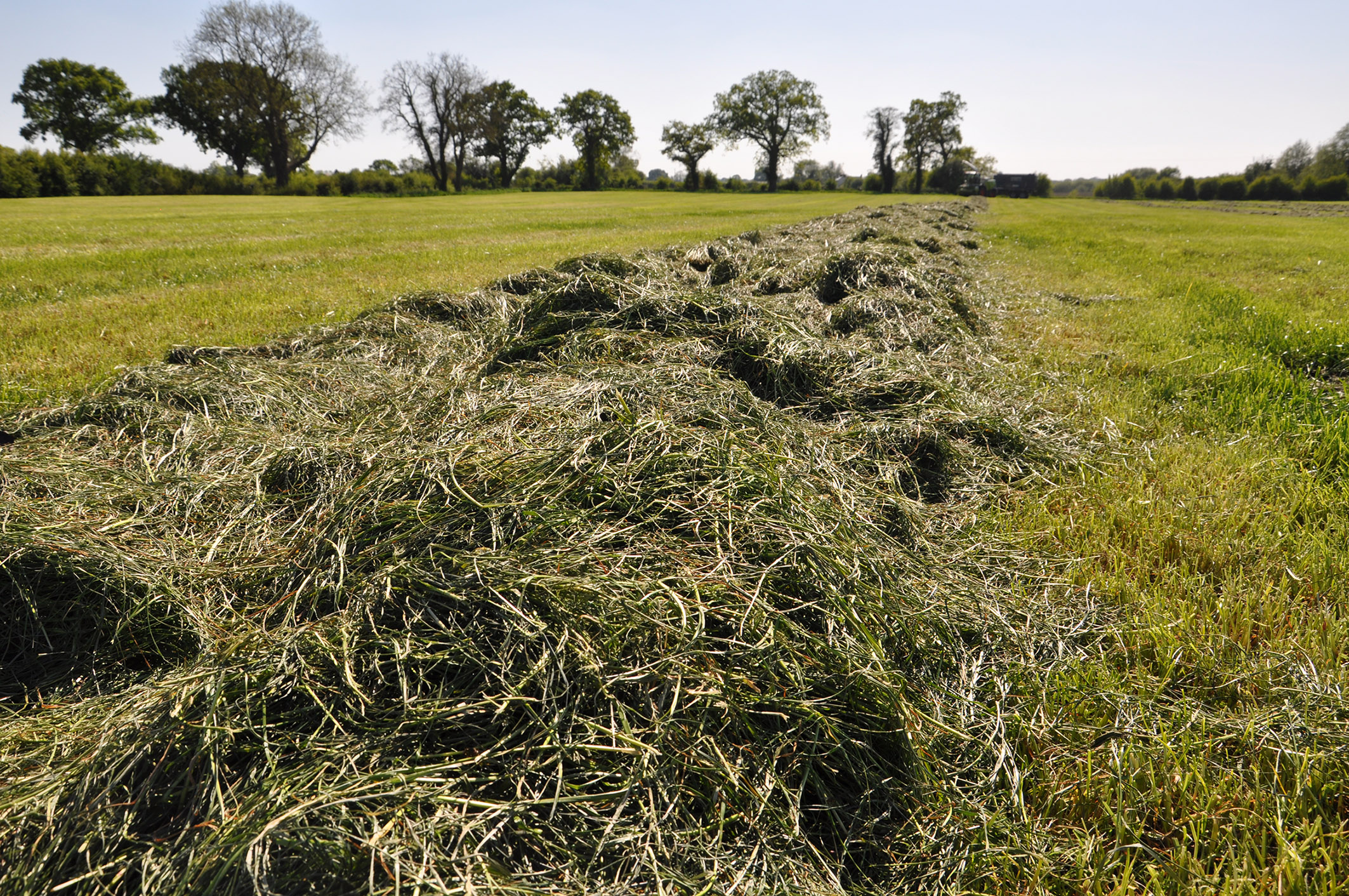
As well as mowing high enough to reduce this, mow before grass heads to avoid it becoming stemmy and difficult to consolidate, as this not only also risks fermentation problems but also losses from silage heating,” he says. “Also, wilt rapidly so that grass can be ensiled promptly to minimise in-field DM losses, as these can be 2-10%. Generally, wilting rapidly to 28-32% DM is optimum for minimising both in-clamp losses from effluent or heating and in-field losses. Ideally, achieve this in 12 hours or less, and avoid mowing in the evening as grass won’t start wilting effectively until the sun is up the following day, leaving sugars vulnerable to declining overnight.
5. Using best practice harvesting and clamping
Similarly to reduce in-clamp losses, chop grass to the correct length, says Mr Stroud. This varies with %DM, with drier grass potentially needing a shorter chop to aid consolidation, and lusher grass benefiting from a longer chop, so consult a silage advisor, he adds.
Equally, don’t overlook boosting the fermentation with a proven silage inoculant. Ecosyl, for example, has been found to halve DM losses and deliver silage higher in both ME and protein versus untreated silage. And ensure clamps are airtight and fully weighted to aid fermentation and reduce losses from heating and spoilage.
Finally, Mr Stroud suggests farmers should consider making 20% more silage than needed for winter to provide a useful level of carryover stock. 
Around 15% extra silage is possible by getting mowing, wilting, chop length, inoculant use, and clamp management right,” he estimates, “and well-conserved silage is like money in the bank. If you don’t use it, there can be opportunities to sell it; I’ve seen grass silage priced as high as £65/t. If short of clamp space, consider baling the extra silage,” he concludes.
Planning ahead now can make the difference between tight silage stocks and resilience next winter.