The Penn State 3-Tray Shaker Box: a simple way to “see” your TMR
16 February 2026
If you’ve ever stood at the feed fence and thought, “This looks different today” or “Are the cows sorting this?” — the Penn State 3-tray shaker box is one of the quickest, simplest tools you can use to get a straight answer.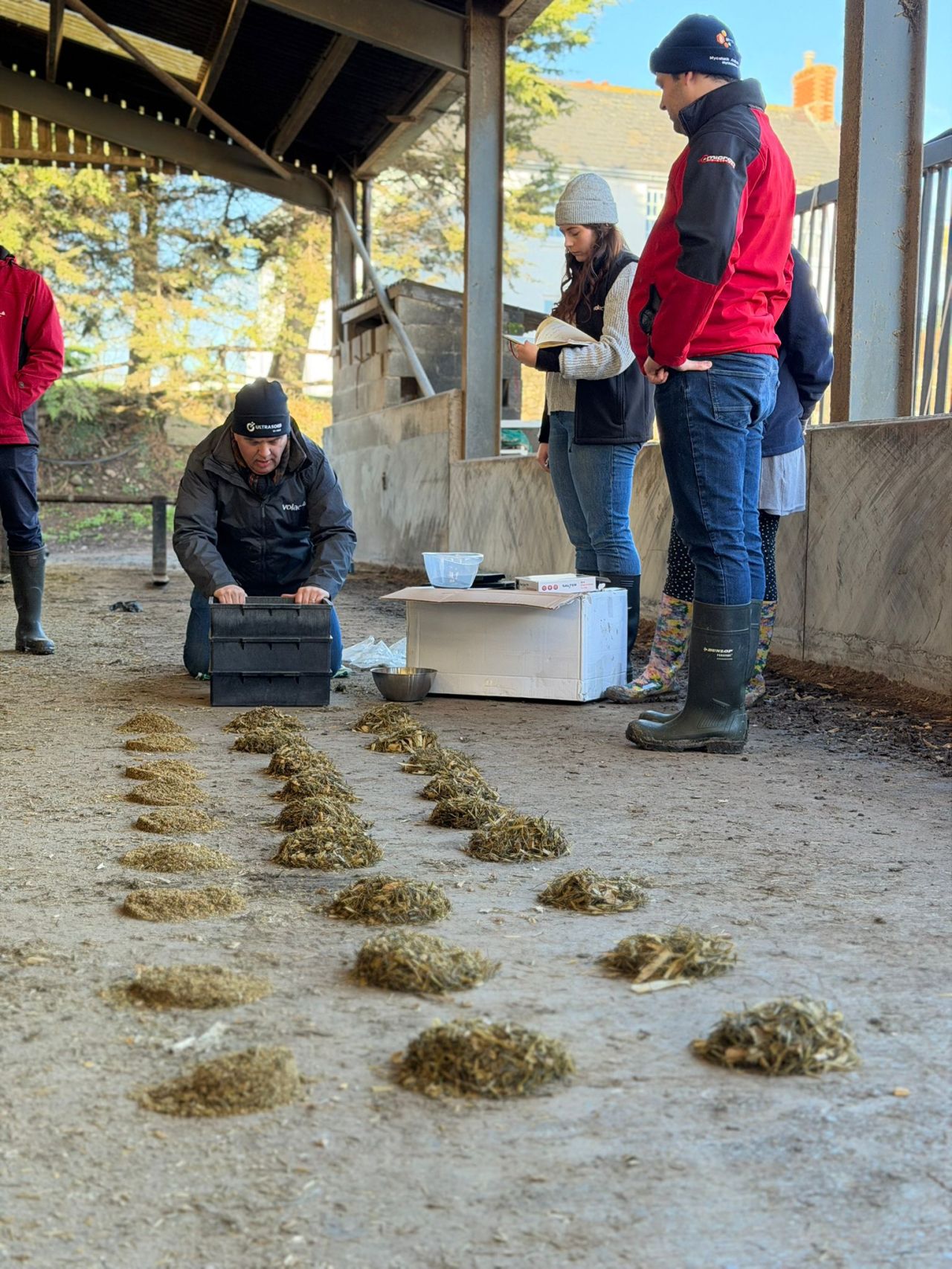
It doesn’t replace good stockmanship. It just helps you measure what your eyes are already trying to judge: is the ration built in a way that supports rumen health and consistent intakes?
What is the Penn State 3-tray shaker box?
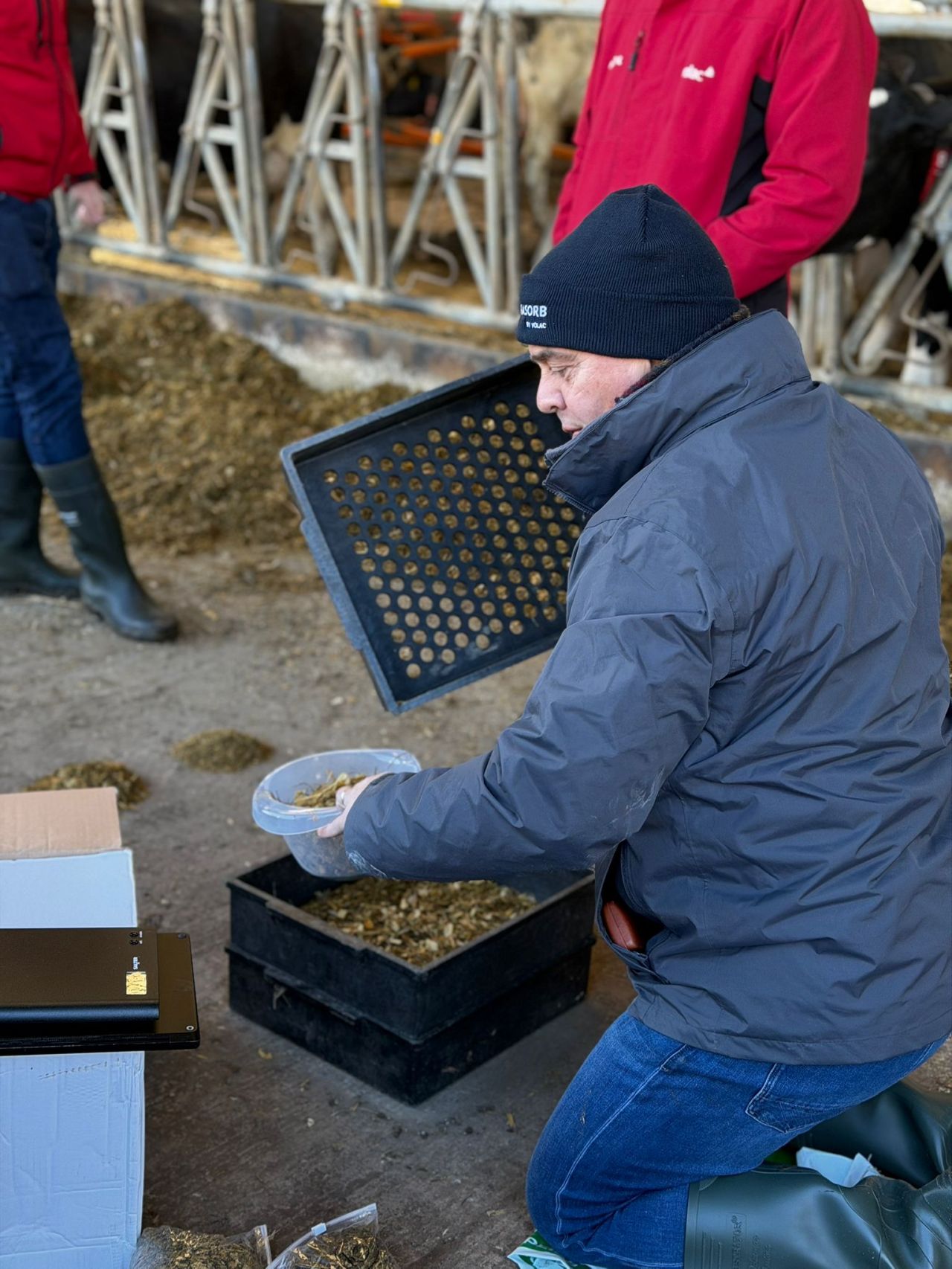
It’s a set of three stacked trays (plus a bottom pan) that separates a feed sample into groups based on particle size — basically, how long or small the feed pieces are.
After you shake the box, you’ll have feed sitting in different layers. Each layer tells you something useful about how the TMR is likely to behave at the feed fence and in the rumen.
How the 3-tray layout works
Think of the trays like a sorting hat for your ration:
1. Top tray
“The long bits”. This tray catches the longer pieces: long grass stems, long maize pieces, straw, anything that looks “pickable”.
Why it matters:
Long fibre is important, but if it’s too long, cows can pick around it and eat the tasty bits first. That leads to inconsistent intakes and a rumen that swings up and down. Longer than 1 inch increase sorting.
2. Middle tray
“The main mix”. This is where you want a lot of your ration to land. It’s the fibre and feed pieces that are short enough to mix well but still have structure.
Why it matters:
This fraction helps create a steady “mat” in the rumen and supports regular cud chewing — without being easy to sort.
3. Bottom pan
“The fines”. This is the dusty, small material: meals, ground concentrate, crumbly bits, very short chop.
Why it matters:
Some fines are normal, but too many fines can push cows to eat faster, chew less, and increase the risk of rumen upset — especially if cows “slug feed” or if the ration is dry and separates.
 What’s the purpose of using it?
In one sentence: it helps you build a ration cows will eat evenly, every day, without picking it apart.
The shaker box helps you check three big things:
1. Is the ration easy to sort?
If you’ve got lots on the top tray and the TMR is dry, sorting becomes much more likely.
2. Is there enough fibre in the right form?
You want fibre that encourages cud chewing — but not in long, “pickable” strands.
3. Is the ration too fine?
How it can help a farmer improve a TMR (real-life examples)
If you see a lot of long material on the top tray
You might notice:
- Cows pushing feed about, picking, leaving stalks behind
- Refusals that look “stemmy”
- Intakes changing day to day
What it often means:
- Chop length is too long, or straw is too long
- The wagon isn’t breaking fibre down or blending it well
- The ration is dry so it separates easily
What to try:
- Slightly shorten chop length (especially grass or straw)
- Check loading order (forage first, then other feeds, concentrates last)
- Rule of thumb, start with dry products first and work to wet. Unless the forage is hard to loosen up
- Don’t overfill the mixer
- Add a bit of moisture if the mix is dry
If you see a lot of fines in the bottom pan
You might notice:
- Cows eating fast, then backing off
- Looser dung or more variation between cows
- Milk fat not as strong as you’d expect
- More “on/off” feeding behaviour
What it often means:
- Too much dusty meal in the blend
- Mixing too long after concentrates are added
- Ration is too dry and crumbles
What to try:
- Reduce mixing time once concentrates are in
- Swap very dusty ingredients where possible (or balance them with moist feeds)
- Add moisture so the ration binds together better
If most of the ration sits in the middle tray
That’s usually a good sign.
It normally means:
- Cows can’t pick it apart as easily
- Intake is more even
- The rumen stays steadier
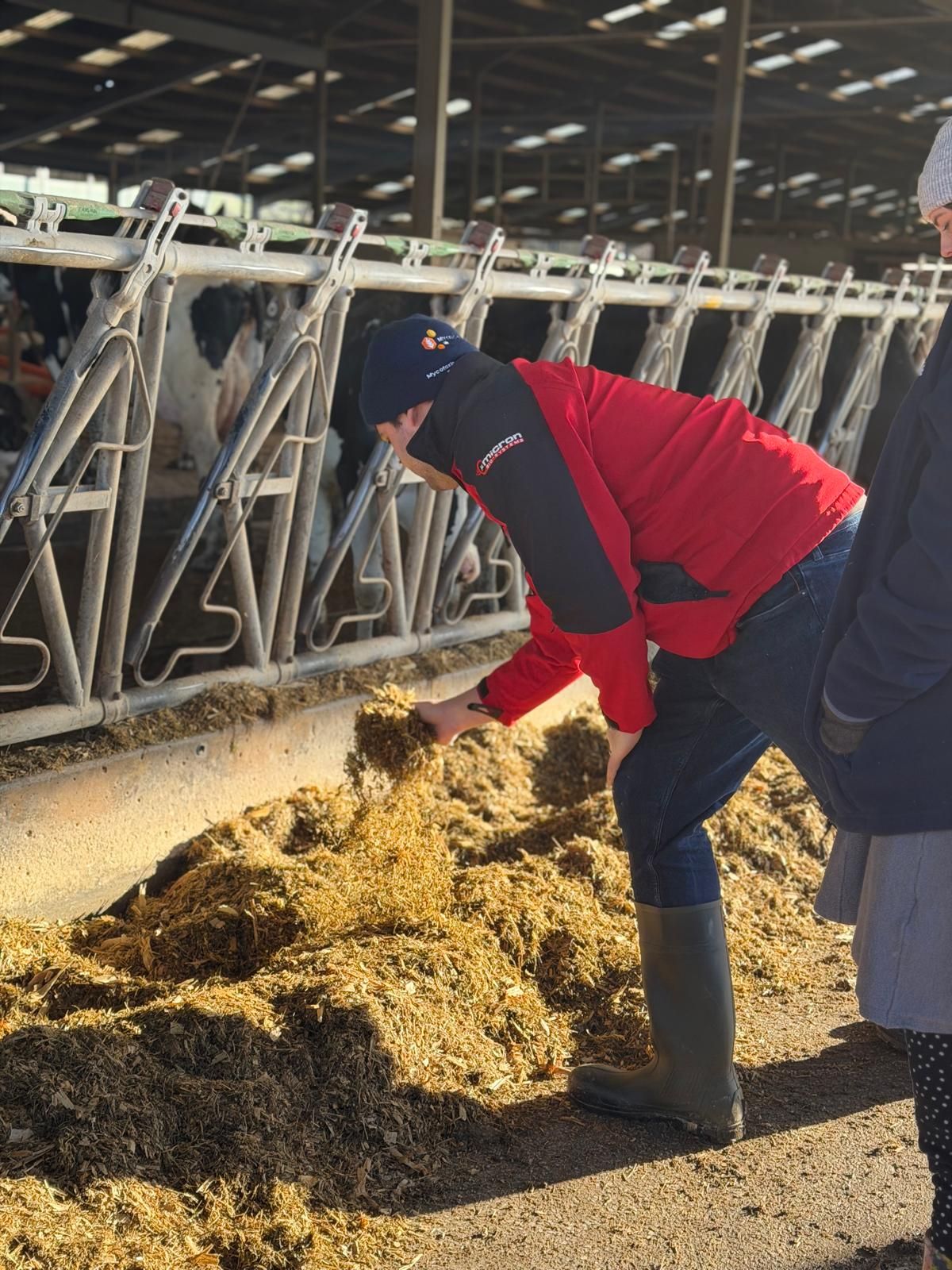 Then your job is simply to confirm it matches what you see:
- Good cud chewing
- Consistent dung
- Steady intakes
- Stable milk components
The best “extra check”: test it twice
One powerful trick is to test:
- The ration at feed-out, and then
- The ration 2–4 hours later from the feed fence.
If the second sample shows more long fibre left behind, sorting is happening — even if the ration looked fine at the start.
The bottom line
The Penn State 3-tray shaker box is not about chasing perfect numbers.
It’s about giving you a simple way to answer:
- Can cows sort this ration?
- Will it support steady rumen function?
- Is the mix consistent day after day?
When the ration is built well, cows eat it evenly, chew properly, and the rumen stays calm and that’s when performance usually follows.