Farming, filming and a focus on forage
19 April 2026
Tom Pemberton is not one for standing still.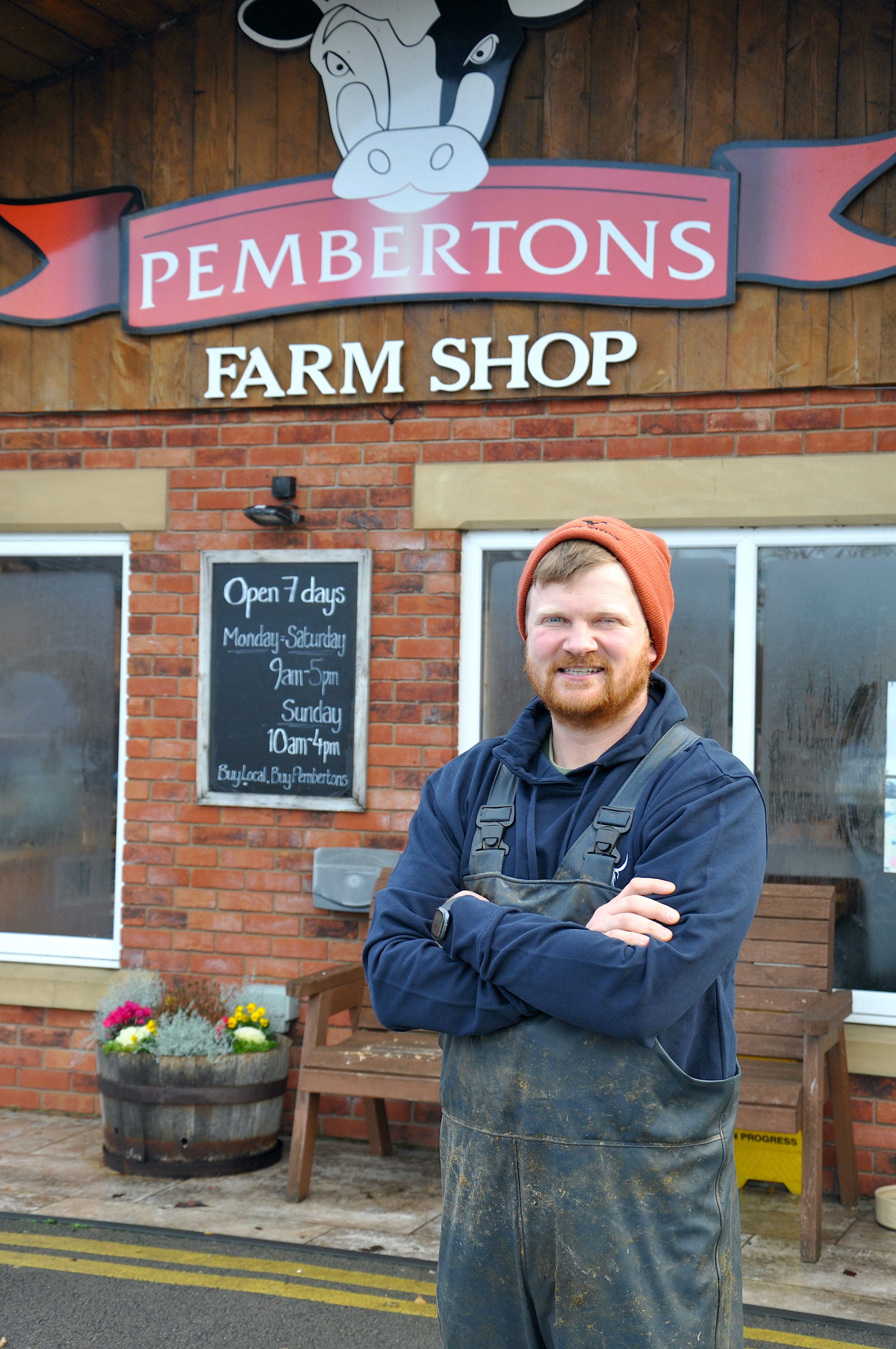
Farming with his father, Andy, at Birks Farm, Lytham – milking 170 cross-breed cows off a total of 109ha (270 acres) and with most of the 330 youngstock raised on the farm, Tom is also involved in a 101ha (250-acre) share farming agreement.
In addition, the family runs Pembertons Farm Shop and Dairy – selling milk, meat and groceries to the public, including milkshakes and ice cream via on-site vending machines, and providing doorstep deliveries to local households and businesses.
On top of that, Tom runs his YouTube channel – Tom Pemberton Farm Life – with well over half a million subscribers, typically filming, editing and posting two videos a week.
However it is the dairy farm that underpins all this. Like all farms, it has to move with the times. So a clear three-phase plan is in place to take the business forward.
“We used to aim for milk quality,” explains Tom, “but now we’re pushing for yield with quality.
In the last five years we’ve progressed a lot. We’ve modernised the parlour and put up new housing. In the new system, everything is about the cow – we’re careful with welfare so the cow is making milk because she’s in a good environment.
With this first phase complete, phase two is about capitalising on this by improving forage and feeding. This also ties in with phase three – incorporating more Holstein genetics in the herd for higher productivity, creating a predominantly Holstein x Brown Swiss x Ayrshire herd. The changes are already paying off.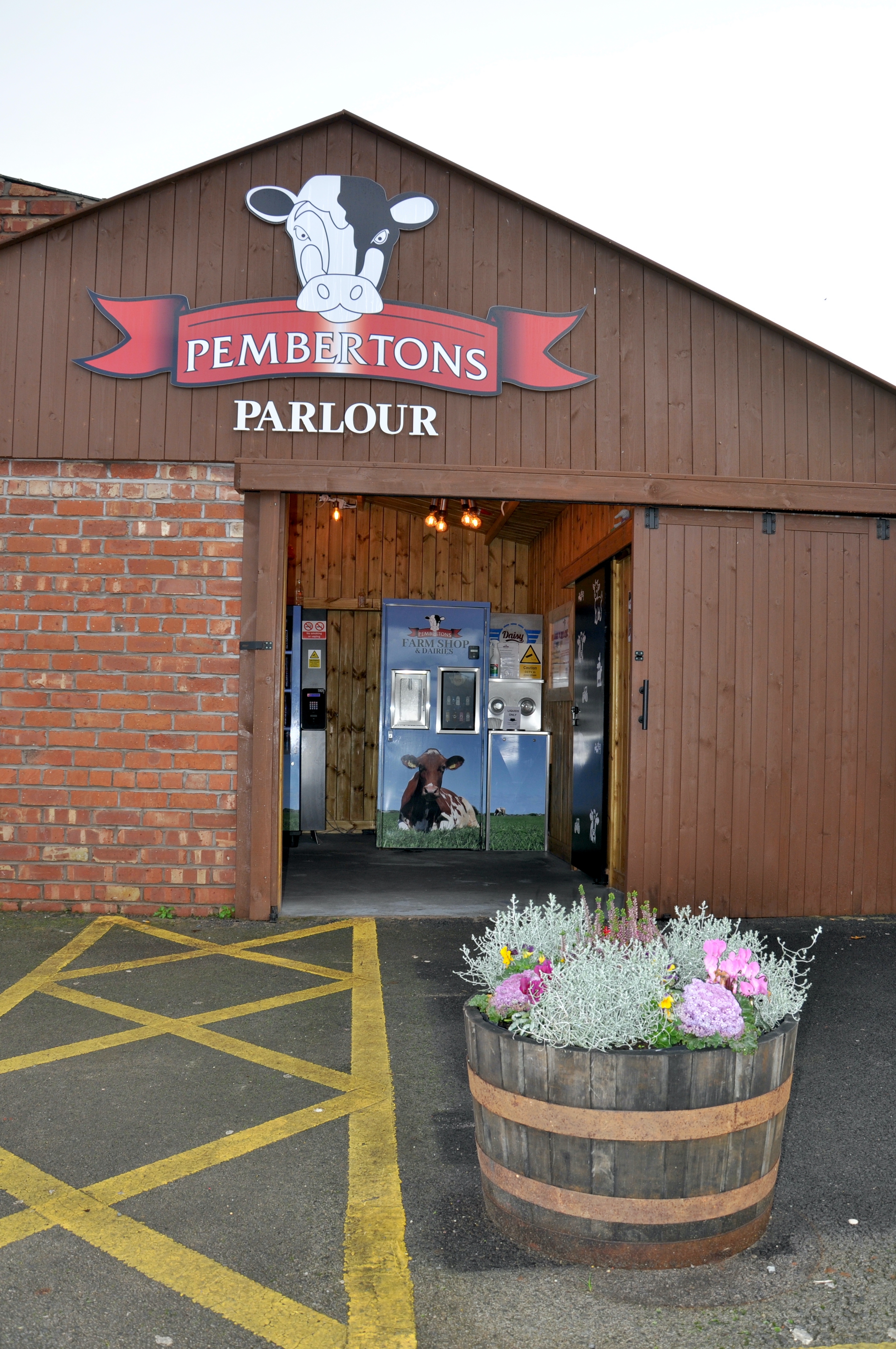
Yields for the year-round-calved herd have increased from 8,000 to just under 9,500 litres/cow, says Tom. “That’s pretty good for twice-a-day-milked cross-bred cows,” he adds.
Indeed, a significant step came when maize was introduced into the TMR three years ago. It has been included ever since. “We bought 4ha (10 acres) of maize off the field from a nearby farm. It worked well. Cow condition was fantastic and milk quality and yield went up.
“Then, in 2024, we grew 17ha (42 acres) ourselves. We didn’t have a weigher, but the quality was fantastic. We fed it in a 50/50 split with grass silage in the TMR, but didn’t feed it all year.
In 2025 we grew 32ha (80 acres) of maize in total. Harvested on 29 September when it was still green, it yielded 48t/ha (19.3 t/acre), which is very good for here.
Today, the TMR per cow comprises 4.5kg of meal, 5.5kg of moist feed, 23kg of maize silage and 23kg of grass silage. A TMR is also buffer fed during summer grazing, when cows have the option to come in at night.
A spin-off from growing maize has been the introduction of grass reseeds after some of the maize in a rotation around the farm, which was previously in permanent pasture. After the 2025 maize harvest, 20ha (50 acres) were reseeded on the home farm and 40ha (100 acres) on the share farm, using late perennial ryegrasses off the Recommended List. It is a move which Tom hopes will see grass quality improve. Indeed, increased attention has also been placed on grass silage production.
In 2025, we produced some of the best grass silage we’ve ever made due to cutting earlier. Some of this was new grass. But it was also attention to detail. First-cut was done in the first week of May. Normally it’s the third week of May.
“We wilted for 36 hours – we don’t have conditioners – and only tedded 6ha (15 acres), which was the new grass. We also didn’t mow as low.”
In addition, the farm returned to conserving grass silage with Ecosyl inoculant, with sister inoculant, Ecocool, used for the maize. “We used Ecosyl years ago but drifted off it and tried many different additives,” explains Andy. “But we’ve come back to it. Mixing of Ecosyl is easy. That’s a big thing in its favour because mixing up additive is downtime.”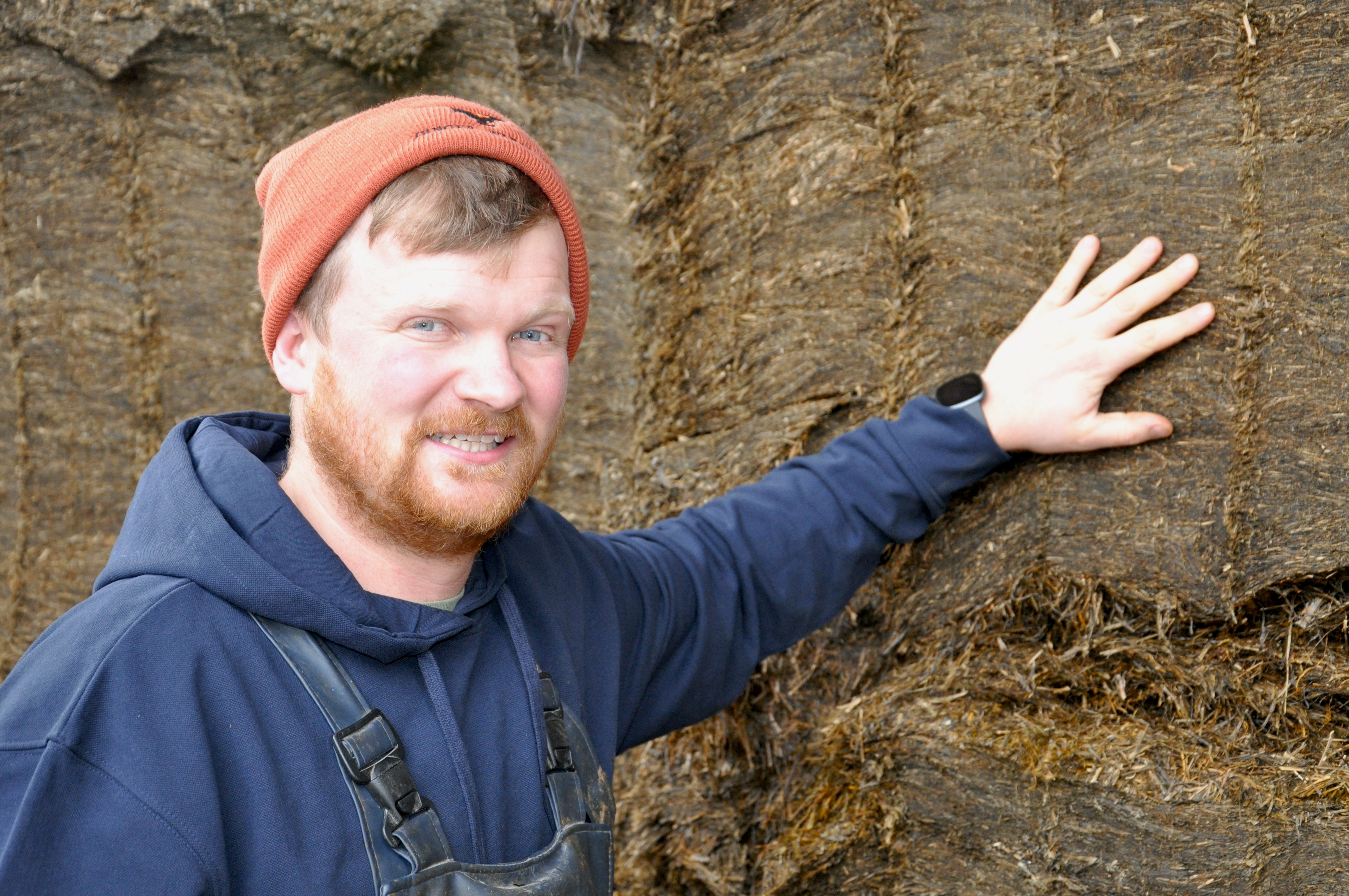
In the event, Tom was delighted with the first-cut, which analysed at 28% dry matter (DM), 75.8 D value, 12.1 ME, and 17.6% protein.
Amanda Clements of Ecosyl manufacturer, Volac, agrees that cutting earlier and avoiding cutting grass too low are two key steps in improving silage quality, and says it is important to choose the additive according to the type of losses the silage is likely to suffer.
“Typically with grass silage made at 28-32% DM, you’re looking to boost the fermentation so Ecosyl is an ideal option,” explains Amanda. “But maize silage and higher %DM grass silage are both at greater risk of heating losses, so here we favour Ecocool.
“As well as containing beneficial MTD/1 bacteria for fermentation, Ecocool contains PJB/1 bacteria, specifically included to target the yeasts and moulds that cause the heating as they burn up the silage’s nutrients in the process of aerobic spoilage.”
Typically, three grass silage cuts a year are taken by the Pembertons, but kind weather in Lancashire compared with many parts of Britain in 2025 saw five cuts taken, with fourth cut fed via zero grazing and fifth cut baled.
When it comes to clamping, Andy says he ensures clamps are well consolidated to remove air, using both the buck rake and a tractor fitted with front weights and a compactor, before sheeting and weighting with straw bales or tyres. “I spend more time rolling the edges than I do the middle to get the air out,” Andy explains.
“Silage is made in the clamp not in the field, and you can get big losses if you don’t do it right. If silage goes bad, every fork full of waste costs you in three ways – in handling it when you make it, in lost cow productivity, and in spreading it on the land.”
By focusing on cow welfare, high-quality forage, and careful silage management, the Pembertons are turning attention to detail into real productivity gains.