New survey points to multi-cut silage putting dairy farmers ahead
06 April 2026
Dairy farmers making multi-cut grass silage seem to be in a stronger position when it comes to improving milk from forage and the resilience of their businesses to dry weather, a new survey suggests. 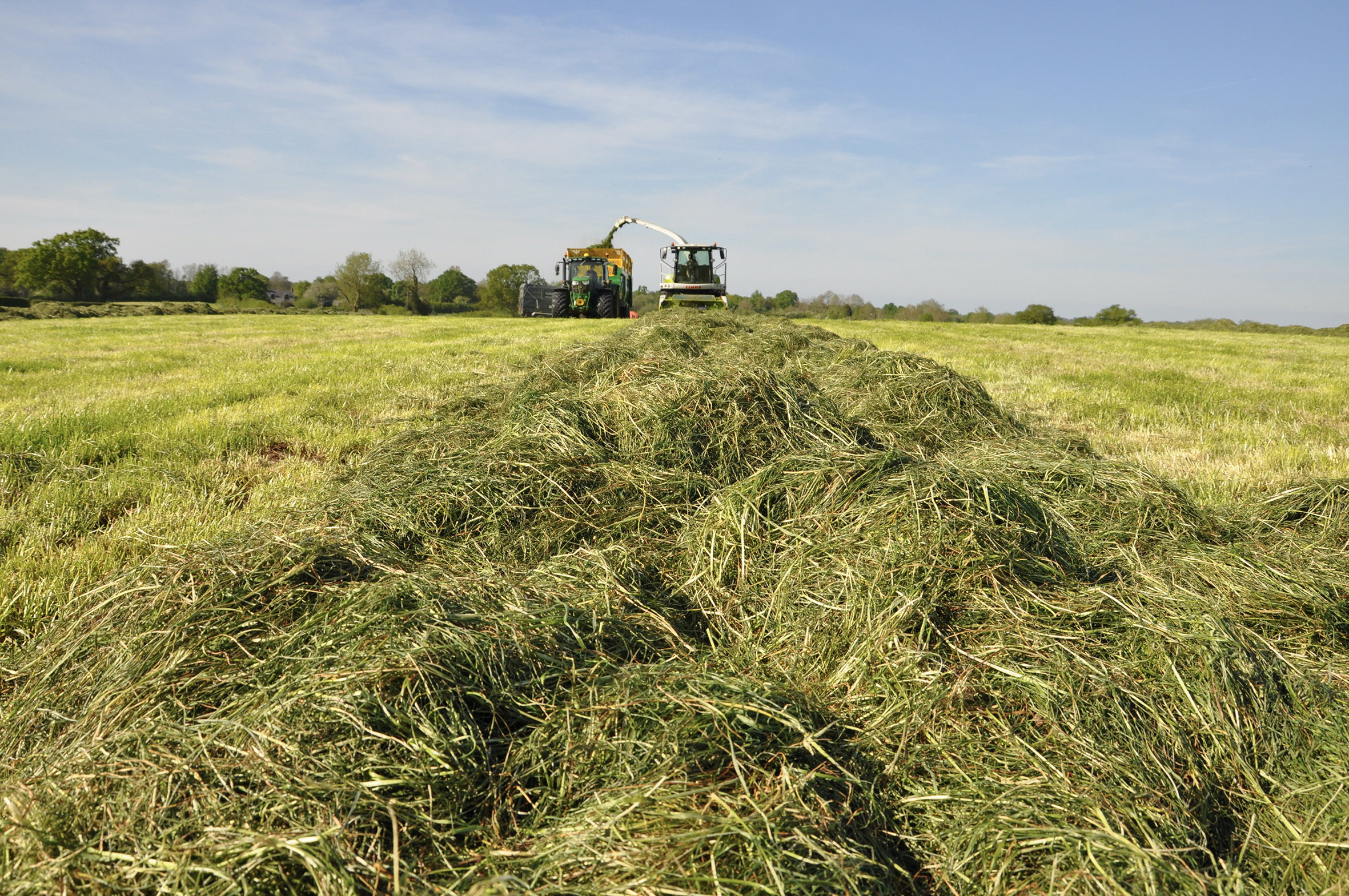
Conducted among more than 100 UK dairy farmers by Volac, the survey showed that more than three-quarters of all respondents (77%) rated maximising the amount of milk they produce from homegrown forage (silage and/or grazing) as extremely important to their business.
However, when exploring the differences between farmers taking four or more cuts a year in a multi-cut system, and those taking three cuts or fewer in a conventional system, multi-cut makers had made better milk from forage (MFF) progress, says Volac technical business manager, Amanda Clements, and seemed to cope better with the 2025 drought.
What was clear was that a higher proportion of multi-cut makers had already increased their MFF figure over the last five years, at 93% versus 76% of conventional silage makers,” explains Amanda. “In addition, the grass silage yields and quality of those making multi-cut seemed to have been less severely impacted by 2025’s dry weather.
“Less than half (45%) of multi-cut makers whose farms were affected by the dry season said they had suffered reduced grass silage yields, compared with nearly three quarters (73%) of those who had made silage conventionally.
“Indeed, a quarter (25%) of conventional silage makers who suffered losses saw their yields cut by more than half, compared with just 14% of multi-cut makers. And a lower proportion of multi-cut makers whose farms were affected by the dry weather saw reduced grass silage quality – at 27% versus 44%.”
Amanda says these findings align with results of Volac’s on-farm trial work comparing the yield and quality of multi-cut versus conventionally-cut grass. Although not conducted in a drought year, the trial showed that five grass cuts yielded 0.92t/ha more dry matter (DM) over a season than three cuts, she says, with the multi-cut grass also being 0.5 MJ/kgDM higher in metabolisable energy (ME) on average and almost 3% higher in crude protein.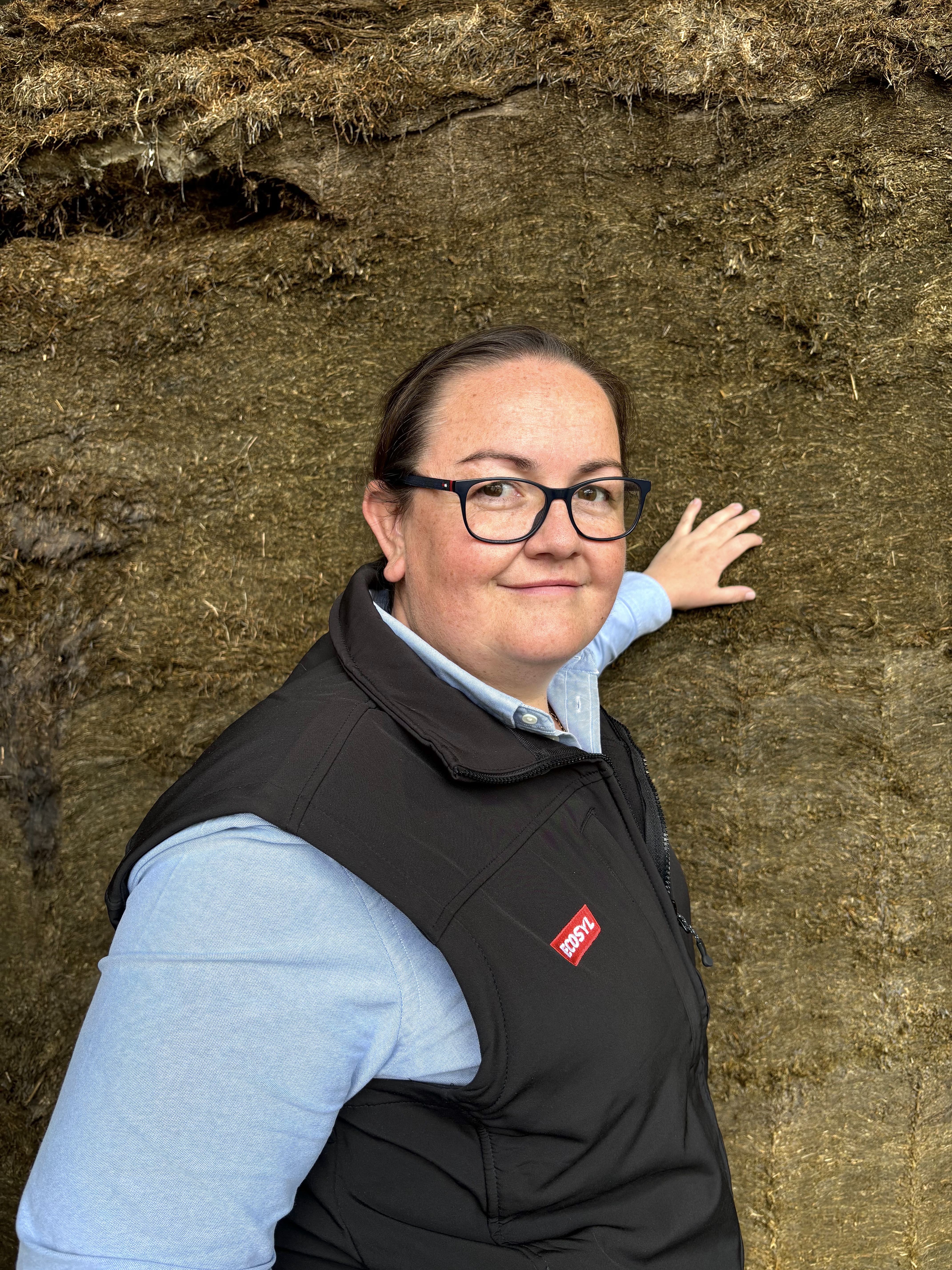
This higher quality fits with multi-cut’s potential to improve milk from forage. However, turning multi-cut grass into good silage does require attention to detail,” she adds. “Shorter cutting intervals mean less time for slurry bacteria to dissipate if applying slurry between cuts, and multi-cut’s higher protein content can contribute to buffering the fermentation.
“Both these issues increase the case for using a quality inoculant to boost the fermentation. Indeed, a further stage of our multi-cut research showed that by applying Ecosyl inoculant, average DM loss was halved compared with leaving multi-cut untreated, and there was clear evidence of better protein preservation.”
Turning back to the survey findings, Amanda says of the farms affected by the drought, nearly all the multi-cut group (98%) had taken an early first cut in 2025, compared with less than three-quarters (71%) in the conventional group. However, of those who did, an almost identical proportion in each group (67% and 69%) felt the early first-cut helped to improve total tonnage. “This is important because an early first-cut not only removes old and dying over-wintered grass, it also stimulates fresh regrowth, which can help with both yield and quality,” she adds.
Given the sharp reduction in milk prices we’ve seen recently, what was also interesting from the survey was how milk price influenced the views of the two farmer groups
“Twice as many multi-cut makers than conventional makers (40% versus 18%) felt milk price didn’t affect the importance of MFF, while a far higher proportion of conventional producers (79% versus 60%) felt maximising MFF became more important with lower milk prices. This might suggest that multi-cut farmers are more routinely focused on MFF, not just when under milk price pressure.
“Also, more of the multi-cut farmers (82% versus 64%) who had already increased their MFF said they wanted to increase it further.”
The survey clearly highlights that adopting a multi-cut silage system not only boosts milk from forage and resilience in dry years but also positions farmers to better weather market pressures, making it a strategy worth considering for those looking to future-proof their business.