Adapt grass silage making to suit conditions
18 May 2026
If there’s one lesson from last year’s challenging and hugely variable forage growing season, it’s the need to adapt to whatever the season throws at us.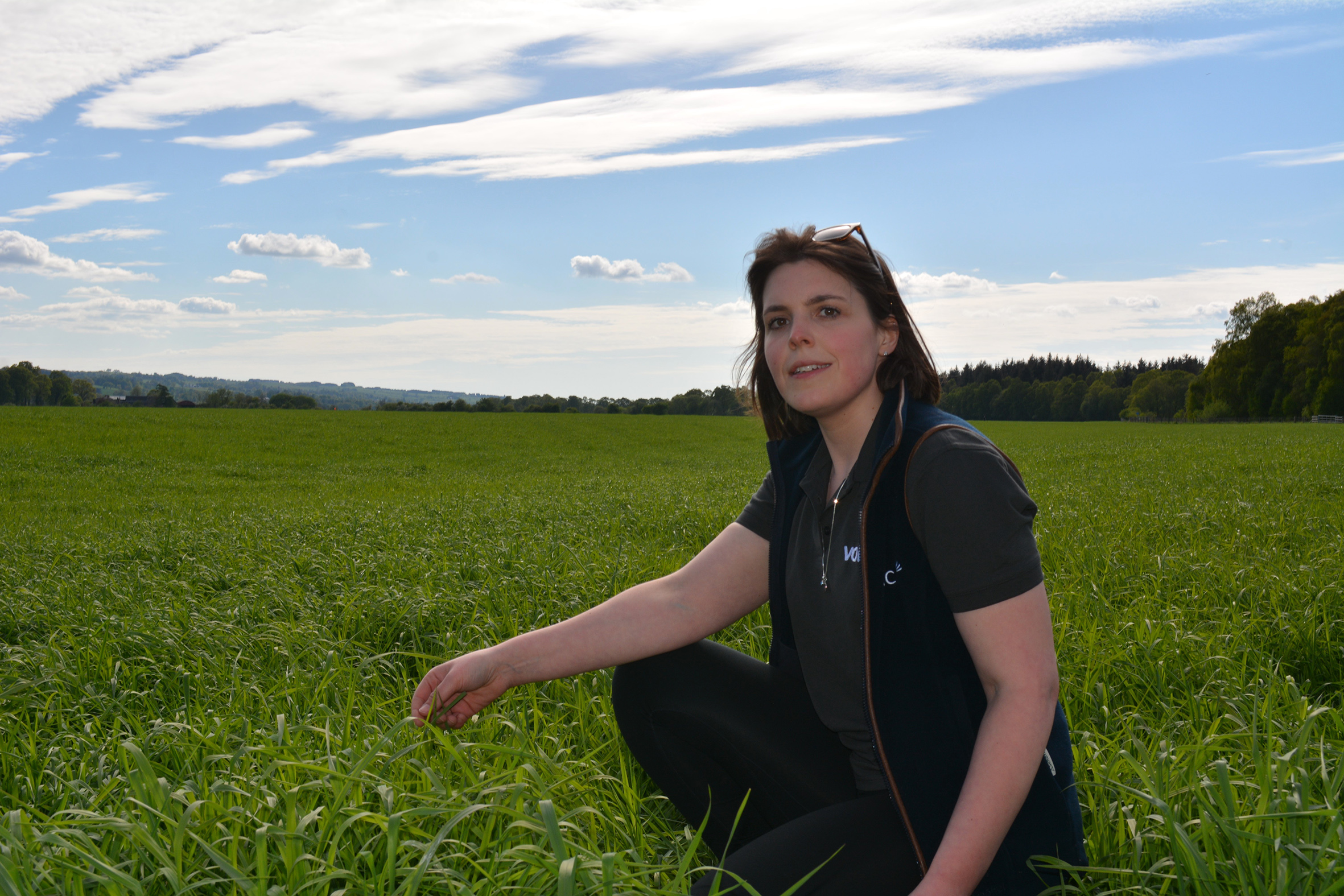
Whatever the conditions, we want to wilt grass silage to a dry matter (DM) of around 30% within 12-24 hours. If possible, aim to cut in the morning and ensile same-day, and avoid leaving grass in the field overnight. The faster the wilt the better, so there are less spoilage organisms and in-field sugar losses from plant respiration after cutting. How we achieve that will depend on the weather. For example, in wetter conditions, it may be appropriate to ted more than once, whereas when it’s hot and dry it may not be necessary at all.
When little can be done to prevent high DM, think about how the clamp is managed to improve consolidation and reduce aerobic spoilage risk. At >30% DM, ensure good compaction by reducing chop length to 1.5–2.5cm, loading in thin layers (<15 cm) and using sufficient weight for rolling and compacting. It’s also worth making full use of side sheets, oxygen barriers and top sheets, avoiding overfilling and adding more weight on top.
To limit aerobic spoilage from yeast and moulds once the clamp is opened, use a shear grab to maintain face integrity, move across the face in good time, and avoid rolling the sheet too far back. With wetter silages, increase chop length and maintain consistent layering and compaction to avoid slipping.
We should also be conscious of our silage additive choices, and which is appropriate, when. When target silage parameters are met and good clamp management is in place, opt for a homofermentative additive like Ecosyl, which produces one main product – lactic acid – to optimise fermentation, forage quality and animal performance.
With higher DM silages or when the crop is cut later and is stemmier and so harder to consolidate, or if changes to clamp management do not reduce losses from aerobic spoilage, there are two options: A heterofermentative additive like Ecocool, which produces lactic acid to aid fermentation and acetic acid to inhibit yeasts, or a homofermentative additive plus chemical preservative such as DA Ecostable to optimise fermentation and inhibit aerobic spoilage organisms rapidly.
Ultimately, being aware of what we can adapt and how we adapt helps us to optimise what we get from home-grown forage – be that more milk, more meat, less reliance on bought-in and costly high energy diet components or reducing losses from aerobic spoilage.