Follow the forage – On track for a positive forage season
03 August 2026
First and second cuts are in the clamp and maize growth is well under way at The Farms, Whitchurch, where Mark Fitton is optimistic about the forage season.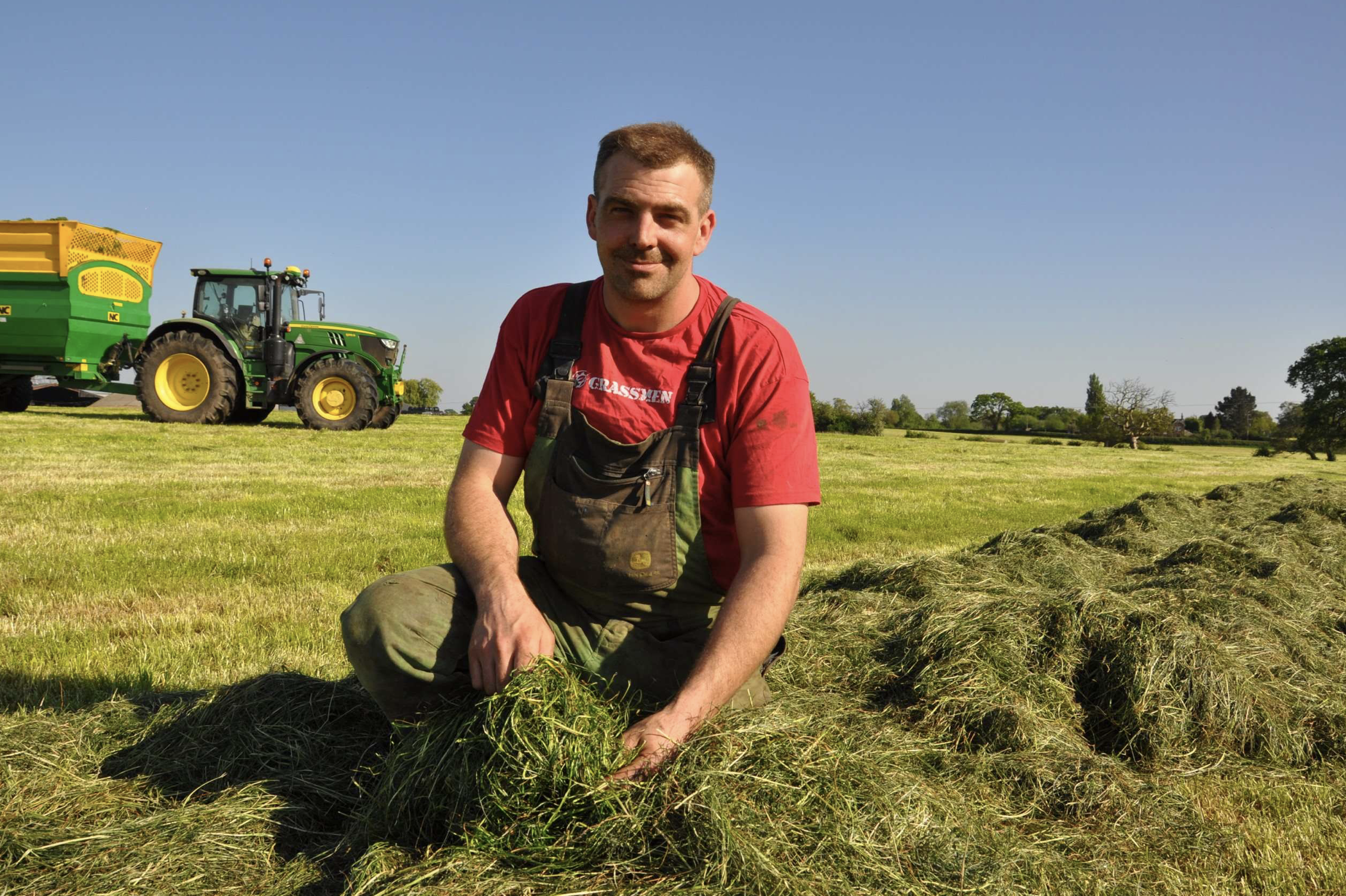
A “kind spring” has put Shropshire farmer, Mark Fitton on track for his multi-cut grass system, securing a quality first cut and ensuring a good start for this season’s maize.
The 61ha of first cut was mowed on 22 April and only required tedding once because it was so warm.
We timed it perfectly as the two weeks after that were very cold,” Mark recalls. “It came off at 6t/acre at 11.9ME and 35% dry matter, so it ended up a bit drier than I would have liked but it was hot. We’d normally aim for 30% DM. It’s lovely stuff. We have started buffer feeding it and the cows love it.
Analysis shows stable fermentation, helped by the application of Ecosyl additive - which is applied to every cut - and attention to forage management and clamp sealing. This is illustrated by lactic acid levels of 93.4g/kg, a lactic acid to volatile fatty acid (VFA) ratio of 4:1 and a pH of 4.2. This shows how Ecosyl’s bacterial strain, Lactobacillus plantarum MTD/1 has supported an effective fermentation dominated by lactic acid, which will help safeguard against dry matter and quality losses.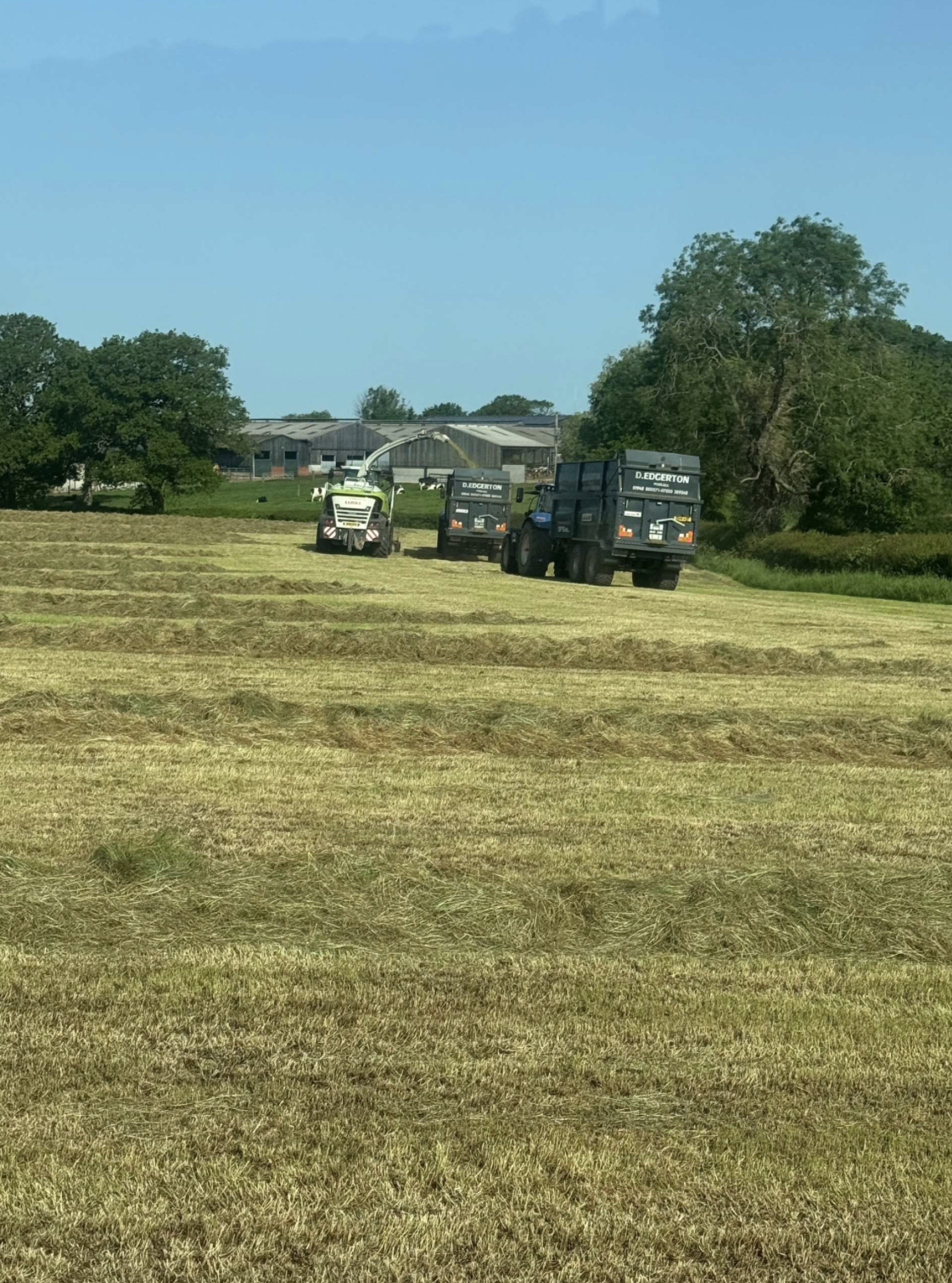
The 250-cow Procross Swedish Red x Montbeliarde x Holstein herd is grazed day and night. Mark says grass growth has been “unbelievable” meaning that some grazing fields have been cut as part of second cut which was taken on 27 May.
It was a hot, windy day so we could have got away with not tedding, but we had an unexpected thunderstorm so we had to ted, row and chop the next day. That came off at 6.5-7t/acre.
Maize was drilled around 25 April in ideal conditions. “It was probably the best time we’ve had to plant maize, but as soon as it went in it went cold. Maize emerged in about 11-12 days last year, this year it took 15-16 days to poke through, purely because it was colder.” 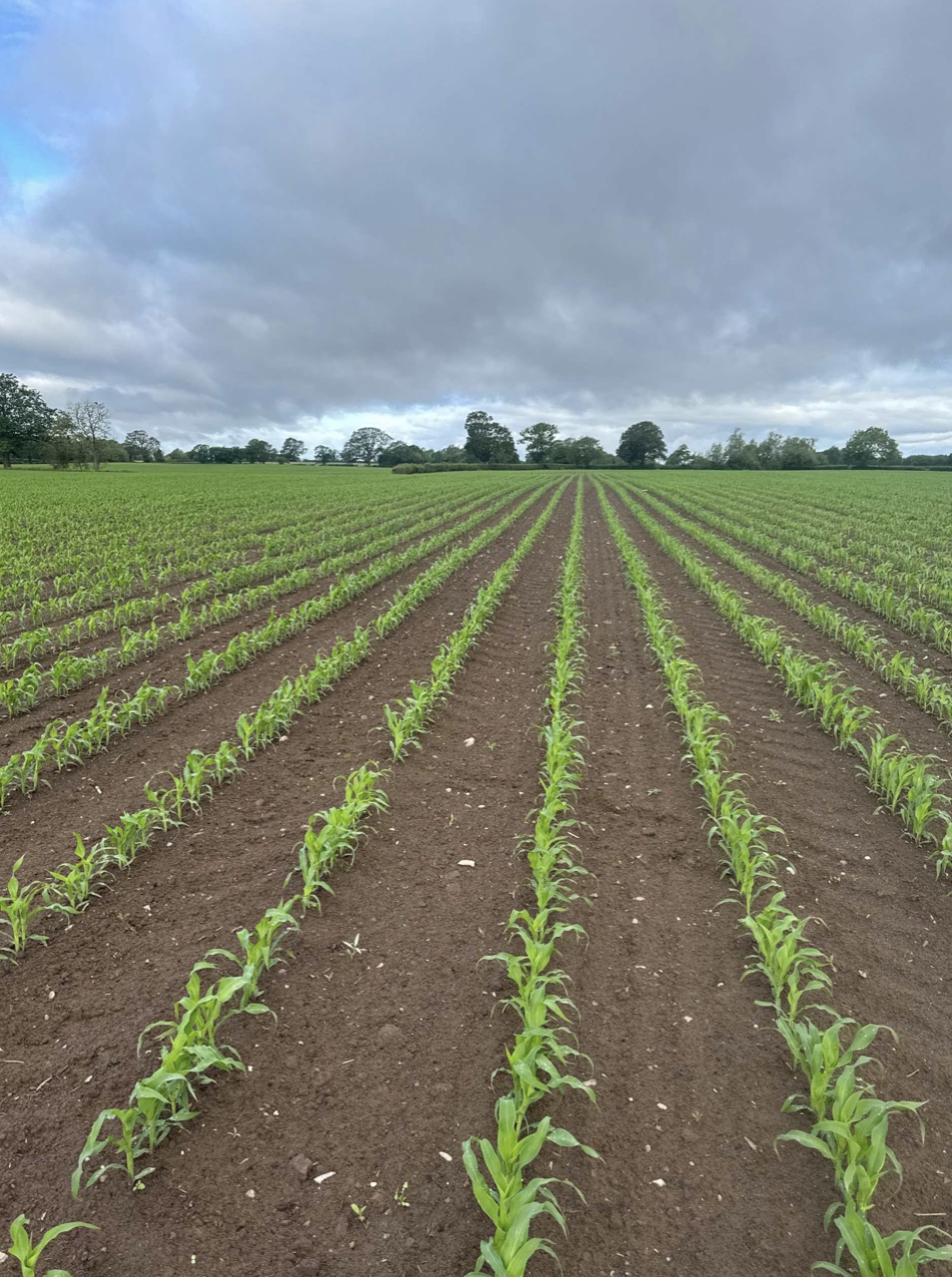
A return to warm weather meant the crop was around 8-9 inches on the 1 June with pre-emergence spraying scheduled for the same week. Mark was also planning to apply separated slurry and ammonium nitrate plus sulphur on second cut aftermaths, with third cut planned 4-5 weeks after second.
We probably couldn’t have had it any better, but it depends if it comes dry again,” he says. “July is always the hardest month here as you don’t get the rain and grass growth slows,” he explains. “It could still go either way, but we’ve had two good cuts and we’re on track for a good third cut. And if it continues and we get rain, we should get a good fourth and fifth cut too.
Helping farmers produce consistently better silage