10 tips for managing forage during a drought
12 August 2026
As farmers in the south of England and Wales face dwindling forage supplies thanks to the drought, now is the time to plan and do everything possible to make the most of every tonne of forage available.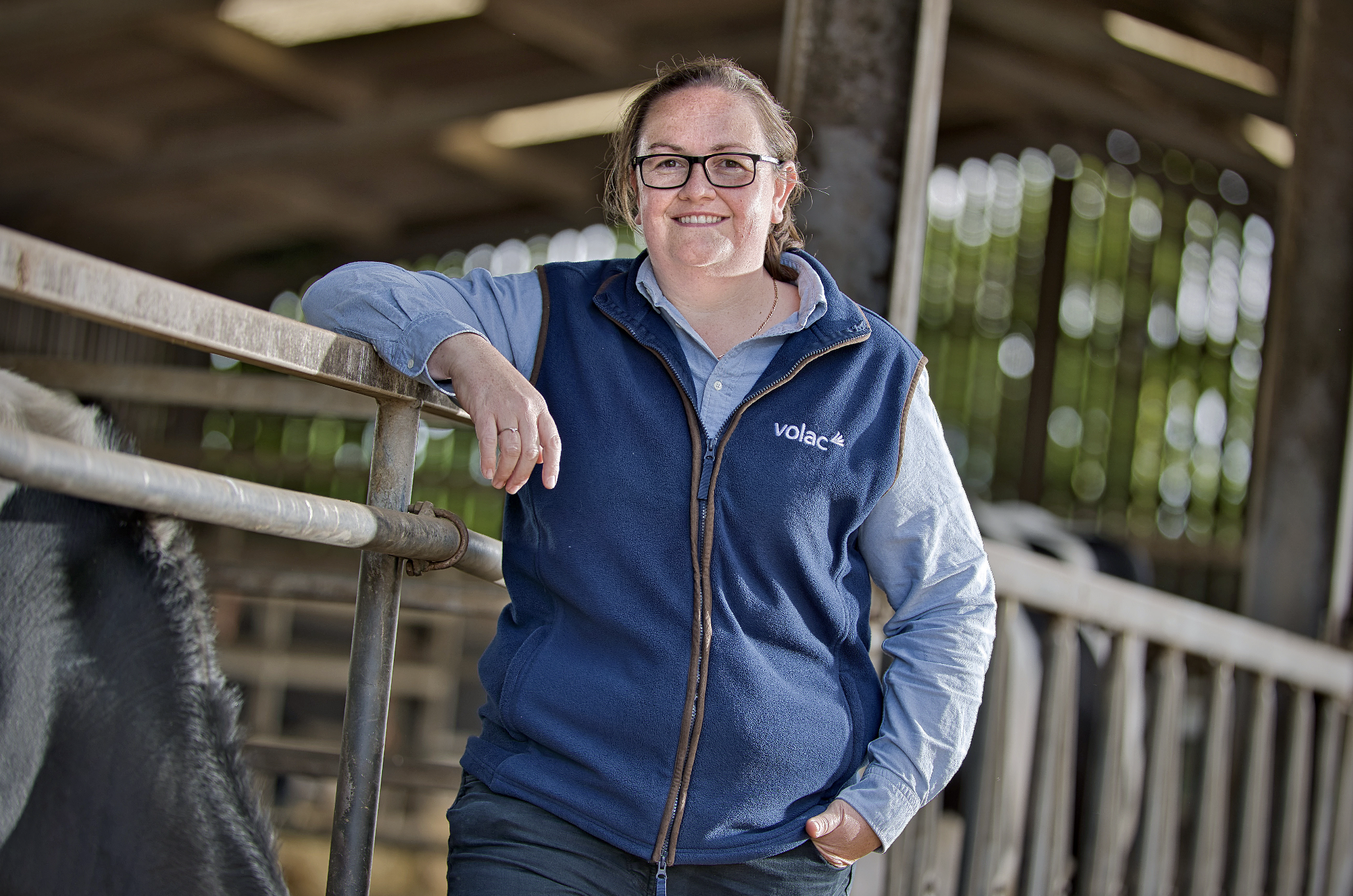
Amanda Clements, Business Manager at Volac says grass stocks are looking tight on many farms, whilst maize crops are challenged in some areas.
She advises thinking about the following 10 areas to optimise forage supplies:
- Wait until adequate rainfall is forecasted before spreading fertiliser or slurry.
- Grass covers are low or non-existent in most areas so forage stock is likely to be low going into winter. Consider growing winter grazing crops or forage crops that can grow in the late summer/autumn to feed dry stock.
- Regularly monitor forage stocks. Doing a forage budget now will highlight likely forage shortfalls for the winter and provide time to purchase forage or adjust stocking rates if needed.
- If the option is available, consider buying standing crops of cereals to ensile as wholecrop or maize. Secure additional forage early. As winter approaches most forage options will become more expensive and/or harder to obtain, particularly if we do not get immediate rain for a later season cut.
- The hot weather will likely bring maize harvest forward by 2-3 weeks. Take the time to go into the crop and assess the plant for readiness from mid-August onwards. The crop can quickly become over-ripe in hot conditions so it’s vital to keep on top of it and harvest when it’s at its optimum nutritional value.
- Pay attention to detail at every stage of silage making to make the most of every tonne when the rain does come and the grass starts to grow. Ensure a rapid wilt and efficient ensiling to avoid in field and in clamp losses which no farmer can afford this year. Poor practice can result in losses of over 25%. Also avoid cutting grass too low to maximise yield. This will severely check regrowth, particularly during a drought.
- Using a proven silage additive (Such as Ecosyl) can half the DM losses through the fermentation process and give you more silage to feed in the winter.
- If you are lucky enough to have enough rain or have heavy enough land to grow some grass, maximise what you can grow, as any surplus you may have will be a valuable commodity to sell later.
- Consider culling any barren or poor performers sooner rather than later, to take some pressure off forage stocks.
- Buying any forage or moist feeds that are available now may seem expensive, but it might be the cheaper option in the long run.
>> For best practice silage management advice, visit cuttoclamp.com