Maize additive key to optimising forage stocks on Somerset farm
20 August 2026
Using an additive on this year’s “earliest ever” maize harvest is a no brainer for the Tincknell family who are looking to safeguard every tonne of forage following the drought.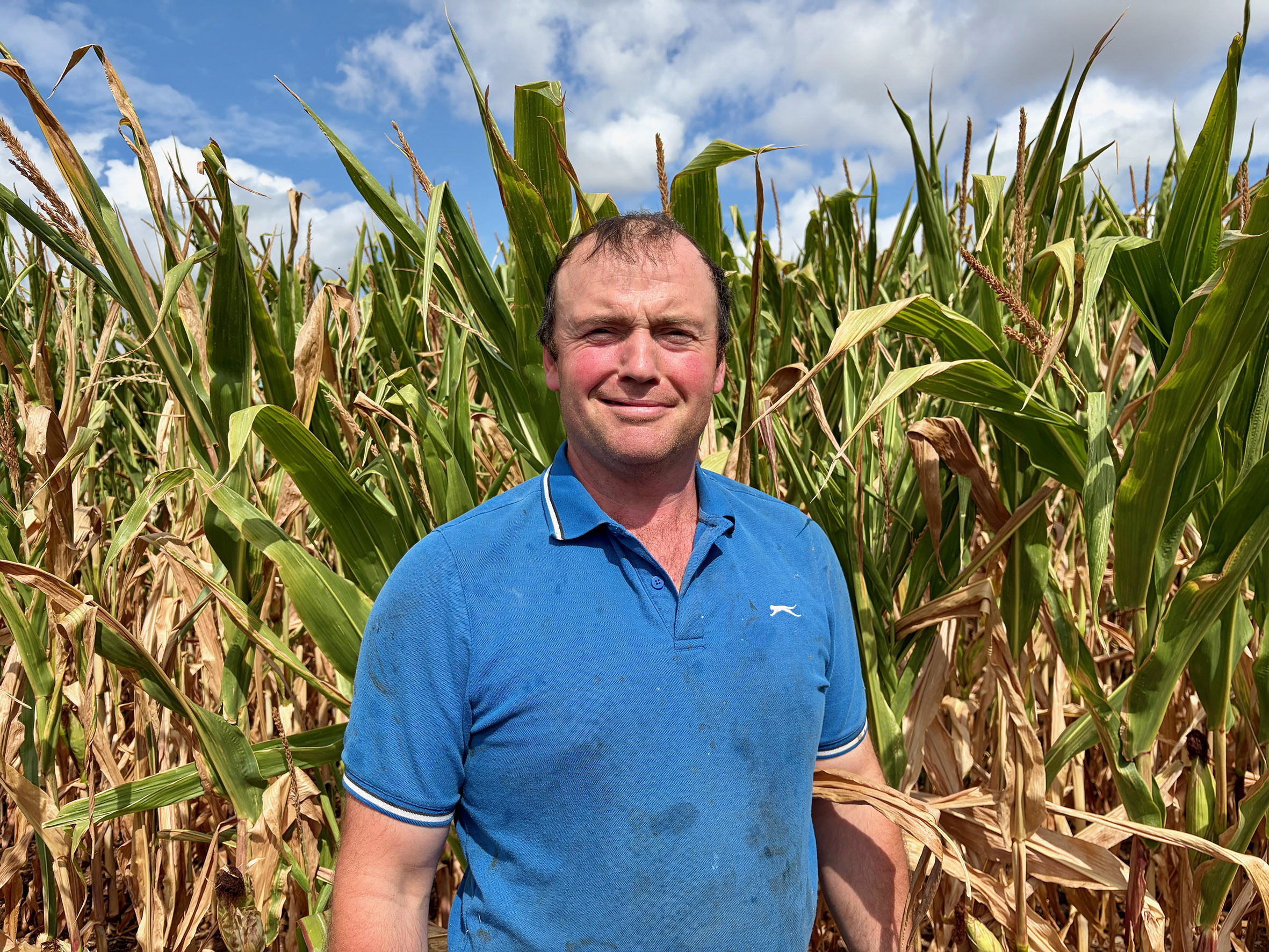
Tom Tincknell farms 1,000 acres near Wells in Somerset, with his sons, Sam and Henry. They run 200 spring calving, British Friesians at Cross Farm, Wedmore, and 200 autumn calvers at Lower Manor Farm, Wells.
Following multiple heat waves and dry conditions, 20 acres of maize grown on contract by Steanbow Farms was harvested on 19 August by a contracting team from Steanbow Farms and James Bolton. The mid-August date is around 2-3 weeks ahead of when most farmers would expect to harvest and a week ahead of when the Tincknells harvested last year following the hot summer. Another 50 acres, also grown on contract, is not as far ahead and will likely come off at the end of the month.
Like many livestock farmers the Tincknells are keen to maximise every tonne of forage in what has been a challenging forage year because of the drought.
We’ve been feeding grass silage for weeks because the cows are basically grazing a desert,” Sam says. “We’re in a better position than many because we’ve got a lot of wetter ground on the Somerset Levels so we’ve got good first, second and third cut grass silage and built a stock of round bales, but we need to get as much as we can from maize to carry us through the winter.
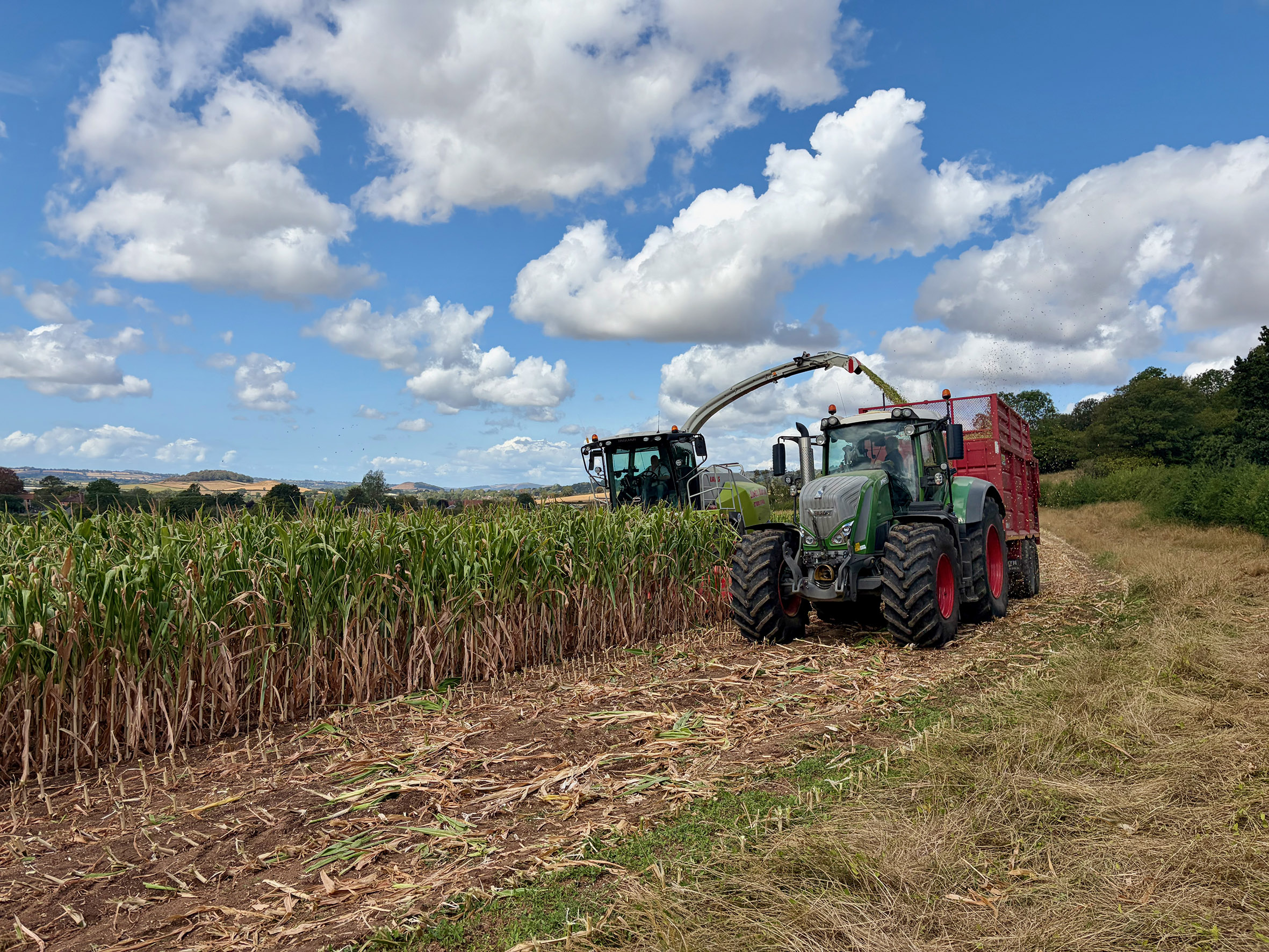 With maize maturing rapidly during hot weather, Sam and his contractors have been assessing the crop every other day from the start of August to check readiness. “The 20 acres suddenly came ready, I couldn’t believe how quickly it changed. Because of the difficult growing conditions, it’s quite variable across the field, but it should be about 32% dry matter,” Sam says.
To protect against dry matter and nutrient losses, the Tincknells treat all maize with Ecocool silage additive. Ecocool is a heterofermentative additive, which produces lactic acid to drive efficient fermentation in the clamp and a rapid drop in pH to help stop the proliferation of undesirable bacteria. Acetic acid production also helps control yeasts and moulds, helping to prevent heating at feed-out.
Sam explains: “We use Ecocool to make sure we’ve got the best possible forage we can. It definitely helps the fermentation and when the clamp is open we don’t get the mould on the face.
As maize crops will likely be drier in many regions, and so harder to consolidate, there could be increased risk of heating and nutrient losses, which makes Ecocool even more valuable.
Volac’s Amanda Clements says maize is also naturally quite a dirty crop, harbouring yeasts and moulds in dying leaves and rotting tassels.
The lack of rain also increases that risk as the crop hasn’t had a good wash and there could be even higher levels of bacteria and moulds. Left unchecked, they can interfere with preservation. That’s where using Ecocool can help tip the odds in your favour by providing a rapid drop in pH and helping stop the growth of undesirable bacteria,” she explains.
 To prevent air ingress and heating in the clamp, the Tincknells pay attention to consolidation and always use side-sheets, a cling-film and heavy straw bales on top. Half sheer-grabs will be taken at feed-out if necessary to ensure they move across the 15-metre-wide clamp rapidly and limit air exposure on the face.
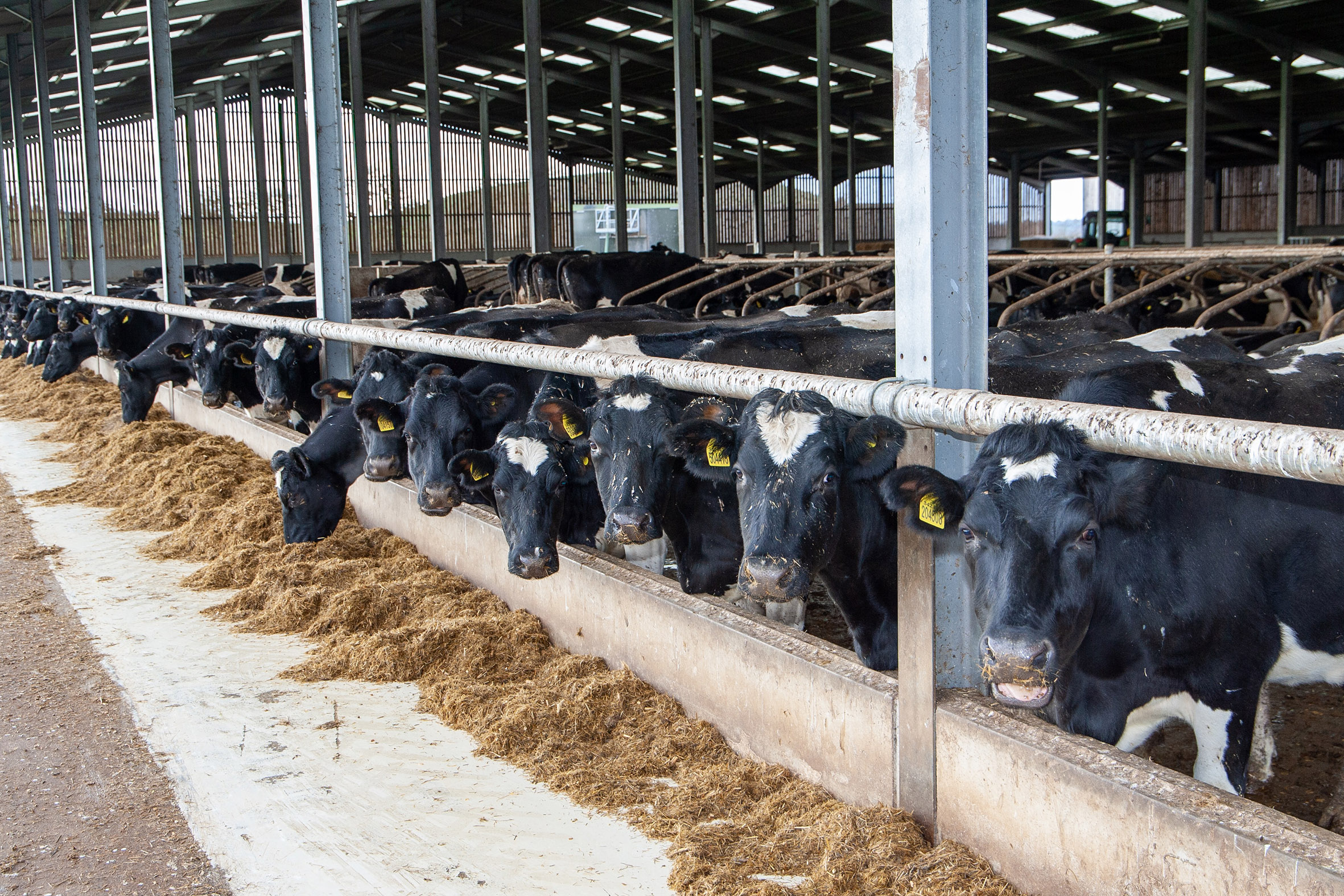
Maize is fed as part of a total mixed ration (TMR) to the autumn calvers, whilst the spring calvers receive blocks of grass and maize silage in troughs at calving for about a month before turnout. Sam says maize has proved valuable in supporting higher yields, with the spring calvers averaging 6,000 litres a cow a year and the autumn herd, 7,200 litres. The business also finishes 250 dairy beef animals annually which will be fed a TMR including maize this winter.